
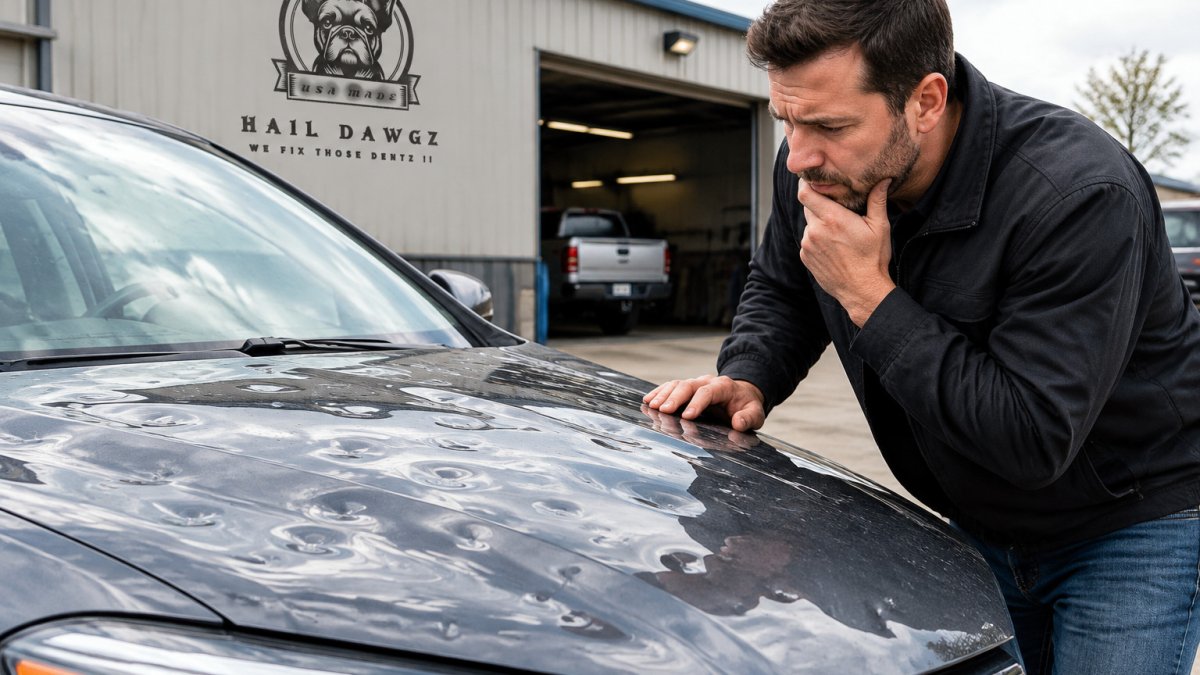
Last Updated: November 15, 2026
Quick Summary
Read your denial letter closely, because it must state a reason you can challenge, then request the full claim file and appeal in writing before the deadline. Most policies allow 30 to 180 days from the denial date to appeal a hail damage claim, so calendar that window immediately.
- More than 40% of insurance claims were closed with no payment in 2024, per Roofing Insights.
- Build a claim package with four tabs: damage photos, weather record, policy documents, and correspondence log.
- Keep your appeal letter to two pages with the claim number, denial date, and exact policy language.
- Escalate in order: claims supervisor, state insurance department, appraisal clause, then legal counsel.
- Independent roof inspections commonly run a few hundred dollars, and disputed cases can take 9 months to a year.
Table of Contents
- Decode the Denial Letter and Protect Your Rights
- How to Appeal a Denied Hail Damage Claim Step by Step
- Writing a Hail Damage Insurance Claim Appeal Letter That Gets Read
- Get a Second Opinion Hail Damage Inspection Before You Give Up
- Frequently Asked Questions
Decode the Denial Letter and Protect Your Rights
More than 40% of insurance claims were closed with no payment in 2024, according to Roofing Insights’ analysis of claim outcomes. A denied hail damage claim is not the end of the road. At Hail Dawgz, the first move is always the same: read the denial letter closely.
The letter must state a reason. If you plan to challenge it, learn how to document hail damage for insurance claims. Look for “pre-existing damage,” “wear and tear,” or “below deductible”, those words are the insurer’s argument, and you can challenge them. Note the appeal deadline too: most policies allow 30 to 180 days from the denial date, per Teague Roofing Plus’s claims guidance. Miss it and your options shrink fast.
How to Appeal a Denied Hail Damage Claim Step by Step
Appealing a denied hail damage claim means building a written record the insurer cannot brush aside.
Step 1: Pull the full claim file, not just the denial letter. Send a written request (keep a copy) for the adjuster’s inspection report, photo log, measurement notes, and internal damage assessment. Many policies require the insurer to provide these within a set time frame. Compare what the adjuster inspected versus what they claimed to inspect, a report listing only one roof slope or one vehicle panel gives you a specific, factual point of dispute.
Step 2: Build a claim package, not a pile of photos. Organize evidence into a single indexed file with four tabs:
- Damage photos, every dent, crack, or granule loss shot with a scale reference and date stamp; wide, medium, and close for each area.
- Weather record, a dated storm report for the property address from the National Weather Service, a paid meteorological service, or a hail swath map. Match reported hail size and time to your photos.
- Policy documents, declarations page, full policy form, and every endorsement. Highlight the coverage grant and any exclusion the denial cites.
- Correspondence log, a table of every call, email, and letter with date, contact name, and summary.
Name files consistently (e.g., 2026-05-14_roof_north-slope_scale-01.jpg) so the adjuster can follow your index. A professional-looking file gets routed to a supervisor faster than unlabeled phone photos.
Step 3: Request a reinspection in writing. Specify which areas were missed, what evidence supports it, and ask for a different adjuster where rules allow. Set a reasonable response date.
Step 4: Write the appeal letter. Keep it to two pages. State the claim number, denial date, and the exact policy language you believe covers the loss. Reference each tab of your claim package and quote endorsements directly. Close with a specific ask, reversal, reinspection, or appraisal, and a response deadline.
Step 5: Escalate in the right order. If the appeal is ignored or denied, escalate to the insurer’s claims supervisor, then your state insurance department (free consumer complaint process), then the appraisal clause if your policy has one, and finally legal counsel. Consider appraisal and regulatory options before litigation, since they are generally less costly than court.
Step 6: Track every deadline. Calendar the appeal window, the insurer’s response deadline under state claim-handling rules, and any appraisal demand deadline. Missing a deadline is the most common way a winnable denial becomes final.
Watch out: verbal promises from an adjuster are not a substitute for a written reinspection request, if it is not in writing, it did not happen.
For the full process, see our complete hail damage claims guide. Worried about costs along the way? Read how to avoid out of pocket hail costs.
Here is the appeal sequence the article lays out, from pulling the claim file to tracking deadlines.
| Step | What to do | Key detail |
|---|---|---|
| 1 | Pull the full claim file | Request inspection report, photo log, measurement notes |
| 2 | Build a claim package | Four tabs: photos, weather record, policy documents, correspondence log |
| 3 | Request a reinspection in writing | Name missed areas and ask for a different adjuster |
| 4 | Write the appeal letter | Two pages, claim number, denial date, policy language |
| 5 | Escalate in order | Claims supervisor, state insurance department, appraisal, legal counsel |
| 6 | Track every deadline | Appeal window, insurer response, appraisal demand |
Writing a Hail Damage Insurance Claim Appeal Letter That Gets Read
A hail damage insurance claim appeal letter should be short, factual, and tied to your policy language. Skip the emotion and state the claim number, denial date, and reason you disagree.
Attach proof: inspection photos, the meteorological report, and a line-by-line comparison of your declarations page against the denial. Quote endorsements directly and keep it to two pages, adjusters read hundreds of these, and clear ones get acted on first.
Get a Second Opinion Hail Damage Inspection Before You Give Up
Most guides push homeowners straight to a lawyer after a denial. The cheaper, often faster move is an independent inspection that produces a report the insurer has to answer.
DIY first: what you can document without paying anyone. Photograph damage with a scale reference, pull a dated storm report for your address, and log the denial’s stated reason against your policy language.
When to hire an independent inspector. Hire when the denial disputes cause or extent (“pre-existing,” “wear and tear,” “cosmetic only”), when the adjuster’s scope clearly misses visible damage, or when reinspection is denied. For vehicles, Hail Dawgz technicians document dent count, depth, and panel locations in a written report. Ask upfront whether they provide an appeal-ready written report and will do a reinspection walk-through with the insurer’s adjuster.
What the report must contain. A useful second-opinion report includes the inspector’s license or certification number, inspection date and time, weather conditions, a photo log with scale references, a damage map (affected slopes, panels, or components with dent or fracture counts), a causation opinion tying the pattern to hail rather than wear, and a repair scope with quantities.
How the report plugs into the appraisal clause. Many homeowner and auto policies include an appraisal provision: if you and the insurer disagree on the amount of loss, each side selects a competent appraiser, and the two appraisers pick an umpire if they cannot agree. An independent inspection report is the evidence your appraiser uses. Check your policy for the appraisal clause before you hire anyone, if it exists, ask the inspector whether they have experience serving as or supporting an appraiser.
What it costs and what to expect. Independent roof inspections commonly run a few hundred dollars, and vehicle dent inspections are often free or low-cost when the technician expects to do the repair. Treat the inspection fee as part of the claim cost, not a loss, a documented report that reverses a denial typically pays for itself many times over.
Before you book one, learn how to find certified paintless dent repair technicians. Then see our before and after results to know what is possible.
A denied claim feels final, but it rarely is. Hail Dawgz has more than 20 years of combined experience working directly with all major insurance companies, and we offer free hail damage inspections to document your case properly. Our certified technicians use paintless dent repair to preserve your factory finish, and we provide a free rental vehicle while your car is in the shop. Get started with Hail Dawgz and turn that denial into a repair.
Frequently Asked Questions
How long after hail damage can I file an insurance claim?
Most policies require you to report hail damage promptly, often within a year of the storm, but the exact window varies by insurer and state. Missing the hail damage claim filing deadline can mean automatic denial, so check your declarations page and any endorsements for the specific time limit. If you are unsure, call your insurer and ask for the deadline in writing before you file.
Can I get a second inspection after my hail damage claim is denied?
Yes. You can request a reinspection or hire an independent appraiser to document hail impact markers the first adjuster may have missed. A second opinion hail damage inspection often reveals overlooked dents, cracked paint, or structural damage that changes the claim outcome. Bring that report to your insurer and reference it in your written appeal.
What should my hail damage insurance claim appeal letter include?
Your appeal letter should state your policy number, the denial date, and exactly why you disagree with the decision. Attach photos, a second opinion inspection report, weather data, and any repair estimates. Reference the specific policy language you believe covers the damage and send the letter by certified mail so you have proof it arrived before the appeal window closes.

